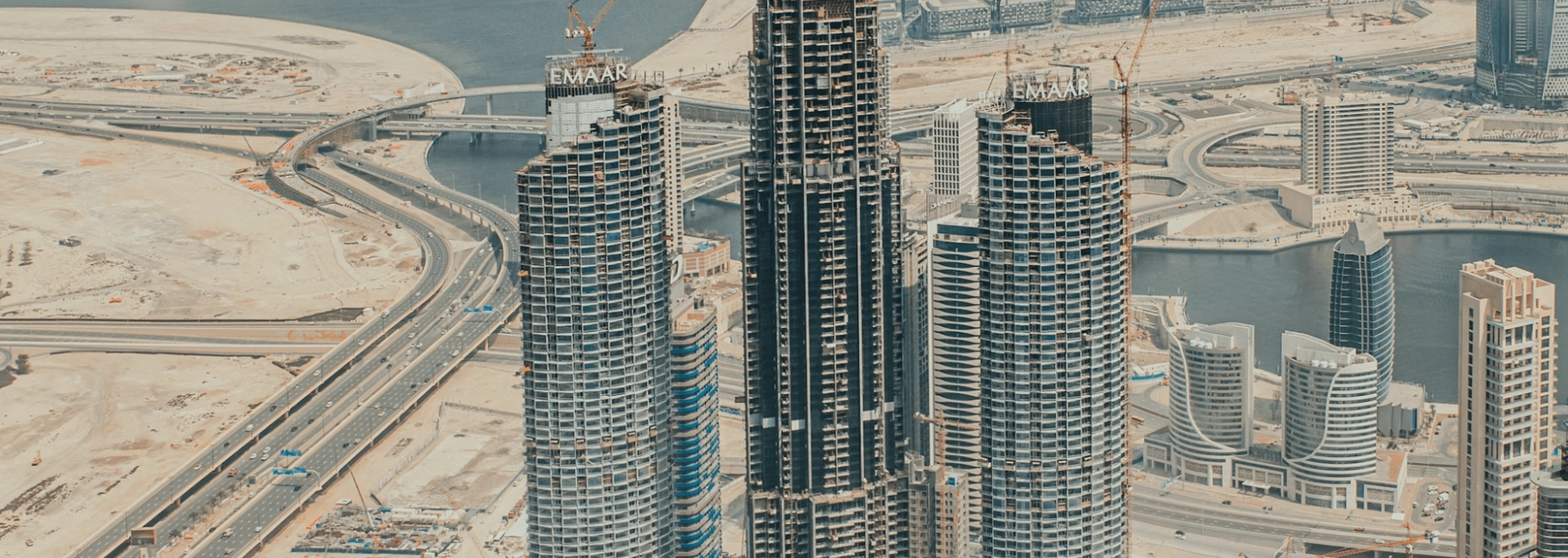
The United Arab Emirates' Emirate of Dubai is known for its impressive skyscrapers and infrastructure. It offers luxurious accommodations to visitors, earning it the title of a Middle Eastern resort city.
Real estate in Dubai has seen significant demand in recent years due to its popularity as a tourist destination with excellent infrastructure. This is why real estate investors from all over the world are interested in Dubai. The government of the Emirates revised real estate laws to make property transactions in Dubai easier.
Background on Dubai Real Estate Laws
Dubai's real estate market is attracting investors from all over the world due to the city's expansion and infrastructure. As a result, the Emirate’s government has introduced Dubai property rules to make property transactions safer. To complete the legal purchasing procedure, investors must be aware of these laws.
The point is that each Emirate has its own set of real estate regulations, which are enacted through laws, decrees, and resolutions. The UAE has gained a good reputation for its generous and luxurious lifestyle. It has contributed to the promotion of various sectors, including the real estate sector. The sector has been ranked among the best real estate markets at the regional and global levels. This is due to its luxurious properties and excellent investment returns.
All of this and more contributed to the importance of the real estate market among residents and foreign investors. To facilitate foreign investment, the UAE issued a foreign ownership law, which allows the purchase of real estate by expatriates or overseas investors.
Major Law Changes in the Emirate of Dubai in 2023

So, what can we expect from these law modifications? The UAE property market is moving forward thanks to new ownership rules and innovative technologies. Today we’ll learn everything there is to know about Dubai’s property and real estate regulations in 2023. So strap in and prepare to learn how these laws will affect your business and investment opportunities!
Dubai Strata Law
Property is divided into private apartments and common areas managed by an owners' association in strata law. This regulation only applies to multi-unit developments, such as apartments and townhouses.
The major goal of the ordinance is to establish standards for the management and upkeep of common areas and facilities in multi-unit buildings.
Foreign ownership laws in Dubai
Dubai has some of the most permissive foreign ownership regulations in the world, making it an appealing destination for international investors. Foreign property ownership is not restricted to defined regions of the Emirate, making it simple for foreigners to acquire and sell property in the city.
The program is intended to encourage greater international investment in the real estate business, thereby enhancing the city's reputation as a desirable location for property investment.
- Foreign nationals are permitted to own property in freehold zones.
- Non-UAE nationals can own property in these places with full ownership rights. It is critical to examine and comprehend the various freehold zones available to international investors.
Regulations for real estate brokers
Bylaw No. (85) of 2006, Regulating the Real Estate Brokers Register in the Emirate of Dubai, is another essential law that oversees the real estate business. This law governs all broker activity in the Emirates.
According to the real estate laws in Dubai, anyone interested in working as a real estate broker in Dubai must first complete certified training from the Dubai Real Estate Institute, followed by a real estate license exam administered by RERA. A licensed broker must adhere to the norms and regulations outlined in Bylaw No. 85.
The term ‘real estate broker' or 'property agent' refers to any legal person who performs activities related to real estate transaction intermediation, such as:
- Looking for a house that meets the client's requirements
- Negotiating with and resolving disputes between buyers and sellers
- Creating and reviewing sales contracts
- Providing expert guidance on real estate matters
Three broker rules
DLD prohibited sellers from listing their property with more than three brokers under the three-broker regulation. This initiative is intended to reduce duplicate listings (many agents advertising the same property), allowing professional brokers and agencies to perform their services more efficiently and with a better customer experience for property-seeking consumers. Both buyers and sellers will benefit greatly from this approach.
Regulations for real estate developers
In Dubai, all real estate developers must be registered with the Dubai Real Estate Regulatory Agency (RERA). Developers must give documentation of their financial and time commitment to the project, as well as a business strategy, to register.
The new laws, which went into effect on October 1st, compel developers and brokers to obtain clearance from the Real Estate Regulatory Authority before publishing any property advertisement in the media. The permission remains valid for three months, and the permit number must be prominently shown in the advertisement.
Once registered, developers must follow all RERA requirements; before beginning any real estate project in Dubai, property developers must first get a license from RERA. The legislation also requires them to give specific information regarding the project, such as the location, size, and type of units. This covers advertising guidelines, information disclosure, and dispute resolution.
Developers must also open an escrow account for each project, into which customers must put their funds. This is a precautionary measure to ensure that the collected funds are only allocated to complete the project.
Failure to comply with RERA requirements might result in fines or the suspension of the project.
Impact on Property Investment
- Mortgages for property acquisitions in Dubai are available to both residents and non-residents.
However, mortgage terms and qualifying requirements may vary by category. Before making a property investment, it is critical to understand the financing alternatives and mortgage requirements.
- The tax situation in Dubai is beneficial to property owners. On property sales, there is no personal income tax or capital gains tax.
Other expenditures that buyers should be aware of include property registration fees, transfer fees, and service charges for upkeep and amenities in select complexes.
Future Outlook On The Property Market In Dubai
According to real estate firm Knight Frank, the Dubai property market will have the world's highest price growth rates in 2023. Experts predict that the city will exceed current leaders Miami and Paris. The cost of premier real estate is predicted to rise by 50% by the end of 2023 compared to 2021. Despite the tremendous price growth rates, luxury home in Dubai remains more cheap than anywhere else in the world.
Unlike other nations, Dubai does not need legal document verification on asset transactions, and a buyer just has to sign the contract to complete the transaction. As a result, purchasers must be aware of Dubai property rules to ensure the legitimacy of their investment. If you are well-versed in the UAE real estate law, you will have a thorough awareness of the rights and legal dangers associated with selling or owning a property in Dubai or elsewhere in the UAE.
The Dubai property and real estate regulations in 2023 will provide several benefits to both investors and inhabitants. These reforms guarantee that Dubai remains an appealing alternative for anybody wishing to invest in or buy real estate in the Emirate.
F.A.Q.
Who Sets Laws and Regulations for Real Estate in Dubai?
Real Estate Regularity (RERA), a section of the Dubai Land Department (DLD), is in charge of establishing laws and regulations for the Dubai real estate market. The DLD is a government organization responsible for regulating Dubai real estate.
What are RERA’s duties in Dubai?
- Resolving landlord-tenant conflicts
- Foreign investment regulation
- Monitoring and confirming the authenticity of real estate ads
- Providing real estate developers and dealers with licenses
- Market progress is being tracked
- Monitoring financial institutions and legal firms that provide services to the real estate business
How can I register property ownership in Dubai?
In Dubai, property ownership must be registered with the Dubai Land Department. This registration process assures the legal protection and ownership rights of the property. Specific documentation requirements apply to both buyers and sellers, including a sale and purchase agreement, a no-objection certificate, and a valid ID.
What happens to property after 99 years in the UAE?
A leasehold property may be leased from its owner for 99 years or less in some instances. Purchasing such a property grants the owner long-term access to the residence, but not to the land on which it is constructed. When the lease time expires, the property reverts to its freeholder.
Are you looking for a property in Dubai?

Opening Hours:
Monday - Friday
9:30 AM - 18:30 PM
Saturday & Sunday - Closed
List your property